Monday.com
monday.com Invoicing Singapore — Quotes, Billing & Payment Tracking
monday.com Invoicing Singapore — Quotes, Billing & Payment Tracking
Couldn't load pickup availability
Set up monday.com invoicing in Singapore to raise quotes, track payments, and automate billing directly from the CRM pipeline where your deals already live. Configured by a certified monday.com partner in Singapore.
- Quotes generated from CRM deal data — line items, pricing, and client details pulled straight from the pipeline
- Approval routing before anything sends — finance sign-off built into the flow, not chased over email
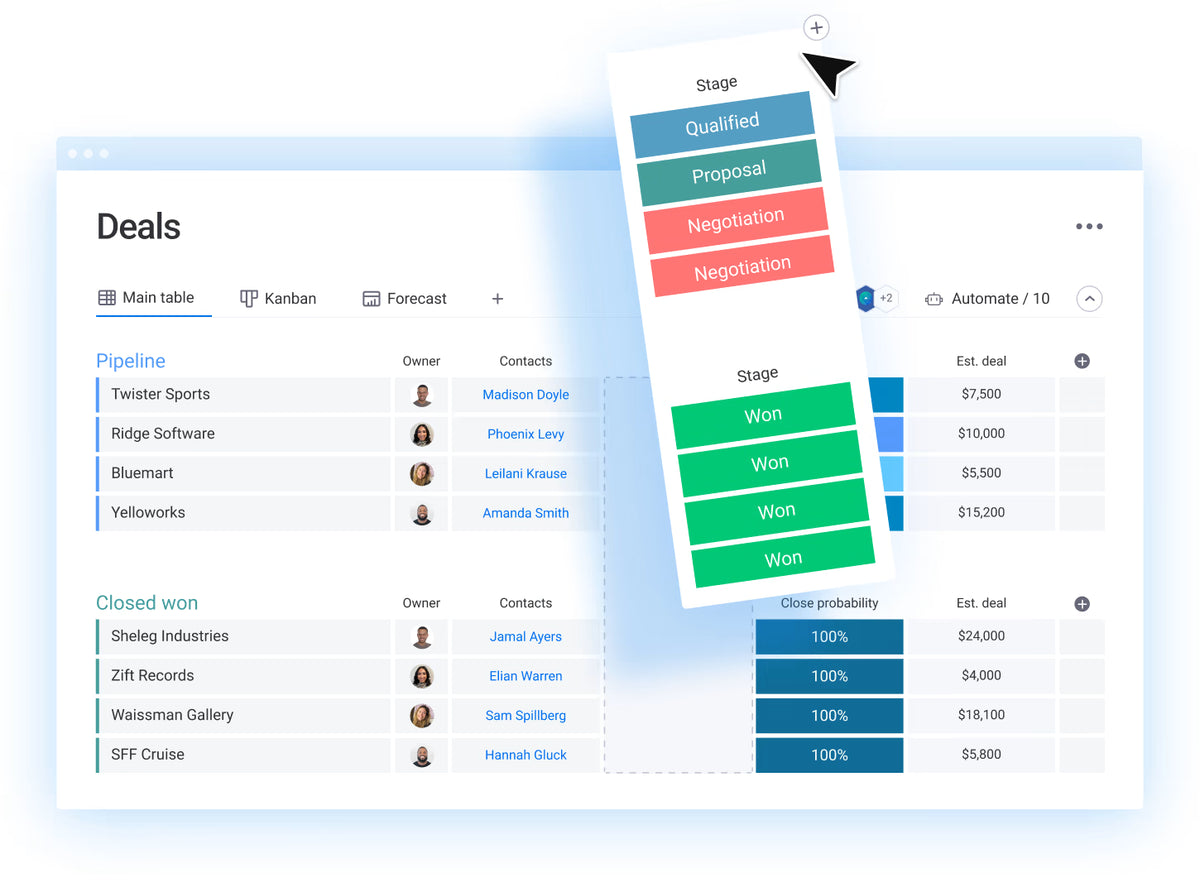
- Payment status on the board — sent, partially paid, overdue, and settled visible to sales and finance at once
- Automated overdue reminders — escalating follow-ups that run on schedule without someone remembering
- Billing automations for recurring work — retainers and subscriptions raised on a cycle
- Connects to your accounting software — sits alongside your existing books rather than replacing them
From Closed Deal to Sent Invoice Without Re-Typing
The gap between "deal won" and "invoice sent" is where revenue quietly leaks. Someone exports the deal, rebuilds the line items in another system, mistypes a quantity, and a week passes before the client sees anything. Multiply that across a quarter and the cost is measured in working capital.
Closing that gap means quotes generated from deal data, invoices raised from approved quotes, and payment status visible on the same board your sales team already opens. No re-keying, no separate spreadsheet tracking who has paid.
The side effect worth naming: sales stops asking finance whether an invoice went out, and finance stops asking sales what was actually agreed. Both are looking at the same record.
Generating Quotes Directly from Your CRM Pipeline
Quotes pull line items, pricing, quantities, and client details straight from the deal, using the templates your clients already recognise. The rep selects what is included; everything else populates.
Approval sits inside the flow rather than beside it. Standard quotes can send immediately, while anything crossing a discount threshold or carrying non-standard terms routes to the right approver first, with the decision logged against the deal. No separate email chain, and no quote reaching a client before finance has seen it.
This assumes your deals already sit in a monday CRM pipeline. If they do not yet, that is where to start; the invoicing flow reads from deal data, so the pipeline comes first.
Tracking Payments and Chasing Overdue Invoices
Every invoice carries a visible status: sent, partially paid, overdue, or settled. Sales and finance see the same board, which removes the recurring question of whether an account is safe to keep serving.
Overdue chasing runs on a schedule you set. A reminder at seven days, a firmer one at fourteen, an internal alert to the account owner at thirty - the sequence escalates without anyone maintaining a chase list. The account manager gets a heads-up before the client does, so a genuine dispute does not turn into an automated dunning email.
Ageing views show what is outstanding by client and by bracket, which is usually the first thing anyone asks for at month end.
Billing Automations That Run Themselves
Recurring work is where manual billing costs the most time and produces the most misses. Retainers, subscriptions, and support agreements can be raised on a cycle, with the right values and the right period, without someone rebuilding them monthly.
Milestone billing works the same way. When a project phase is marked complete on the delivery board, the invoice for that phase is triggered which also means project managers stop forwarding completion notices to finance.
Automation only helps if it is visible, so every automated invoice appears as a draft or a logged action rather than silently sending. You keep a human checkpoint wherever the amount is variable.
Working With Your Existing Accounting Tools
This sits alongside the accounting software you already use rather than replacing it. monday.com handles quote-to-payment visibility — what was agreed, what was sent, what is outstanding — while your accounting system stays the book of record for statutory reporting and reconciliation.
That division matters for a Singapore business, because your books need to stay where your accountant and auditor expect them. We sync the fields that need to match and leave the rest alone.
Share